
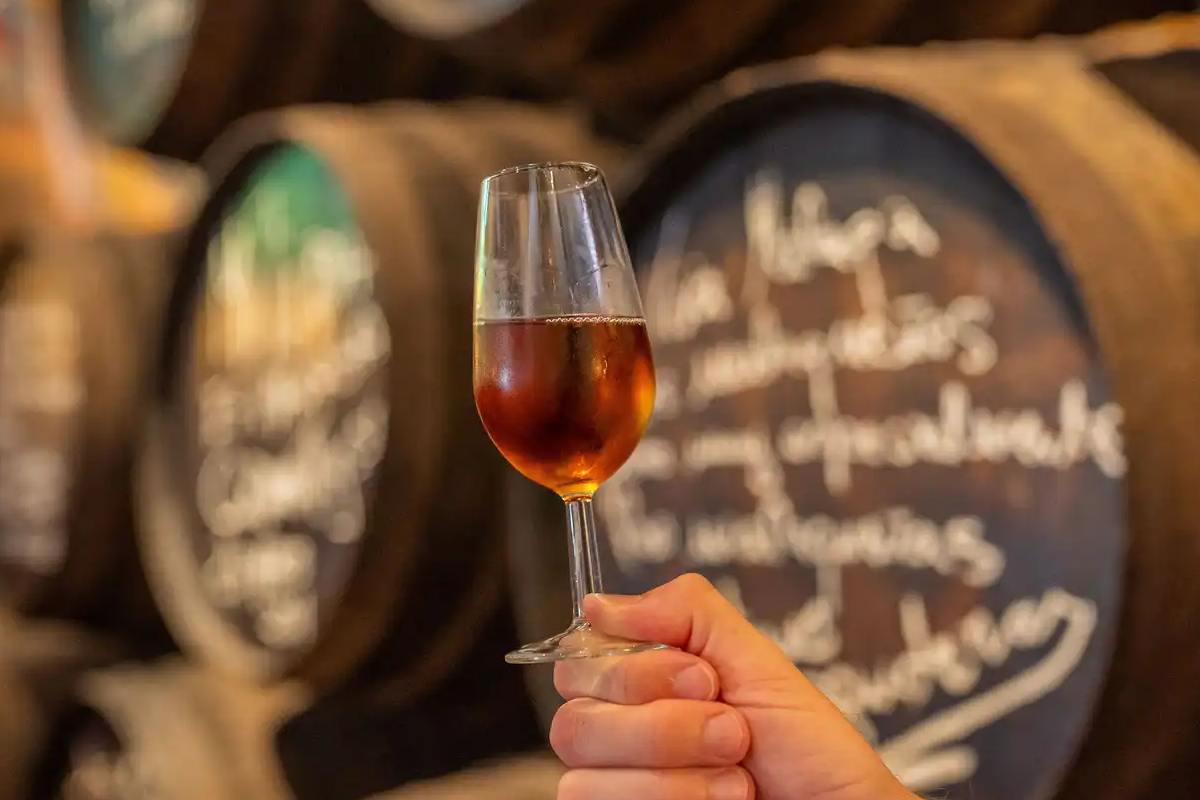
Málaga is a city full of sunshine all around the year. Historical buildings characterize the city and its unique charm. In the alleys of the maze-like Centro Histórico lie hundreds of opportunities to explore Andalusian tradition. One of these traditional experiences is the visit to a local wine bar. There, it is mandatory to try one of the many Málaga wines. But how do these wines stand out from other ones?
Already in 600 B.C., the sunny province of Málaga was known for making great wine. They delivered the liquid over the Mediterranean Sea to lots of different countries. The export of the Málaga wine that is manufactured in the eastern and northern mountains near the city once played a significant role in the city’s trade. It also means a lot for the Andalusian identity, as it is over 2,000 years old and therefore one of the oldest wines in Europe.
How the Málaga wine is produced
The wine is only awarded its internationally recognized seal of quality if it is produced in a Bodega in Málaga. A Bodega is a Spanish word for a wine cellar or winery. Sometimes, wine shops are called Bodega, too. In addition, Málaga wines are made exclusively from two grape varieties: Pedro-Ximénez and Moscatel grapes. Curious people can choose between different types of the Málaga wine that differ in sweetness and age. The aging ranges from the Pálido (until six months) up to Trasanejo (starting from five years).
The typical sweet taste of the Málaga wine is produced through two different manufacturing methods. To get a natural sweet taste, the grapes can be harvested particularly late. This way, the fruits’ sugar content will increase naturally, making the wine sweeter. Another technique to create a sugary taste is by using highly concentrated grapes that dried in the sun.
But getting a sweet note the natural way is not always possible. Therefore, some wines get enriched. During fermentation, a distillate is added to the wine. With this method, the alcohol content of the wine can increase to 20 percent.
The production of one of the Málaga wines differs from the rest. The wine called Lacrima Christi, meaning “the tears of Christ”, for example, is produced by hanging the grapes up until the juice flows from them. A must-try for every wine lover.
A Bodega you never saw before
As the wine is sweeter (except for the dry wine called Seco), people often choose to drink it with desserts. However, it is also used for a savory cuisine. Certain tapas, like chorizo (slices of sausage), are cooked using a red Málaga wine.
If you fancy a local experience while staying in Málaga and have the urge to try one of the many Málaga wines and typical tapas, you need to visit the Bodega “Antigua Casa de Guardia”. The establishment has neither tables nor chairs. Instead, people stand in front of a long counter looking at wooden wine barrels. The bill is calculated by the waiters jotting down the amount you owe on the counter in front of you.
An authentic local experience worth a visit.