
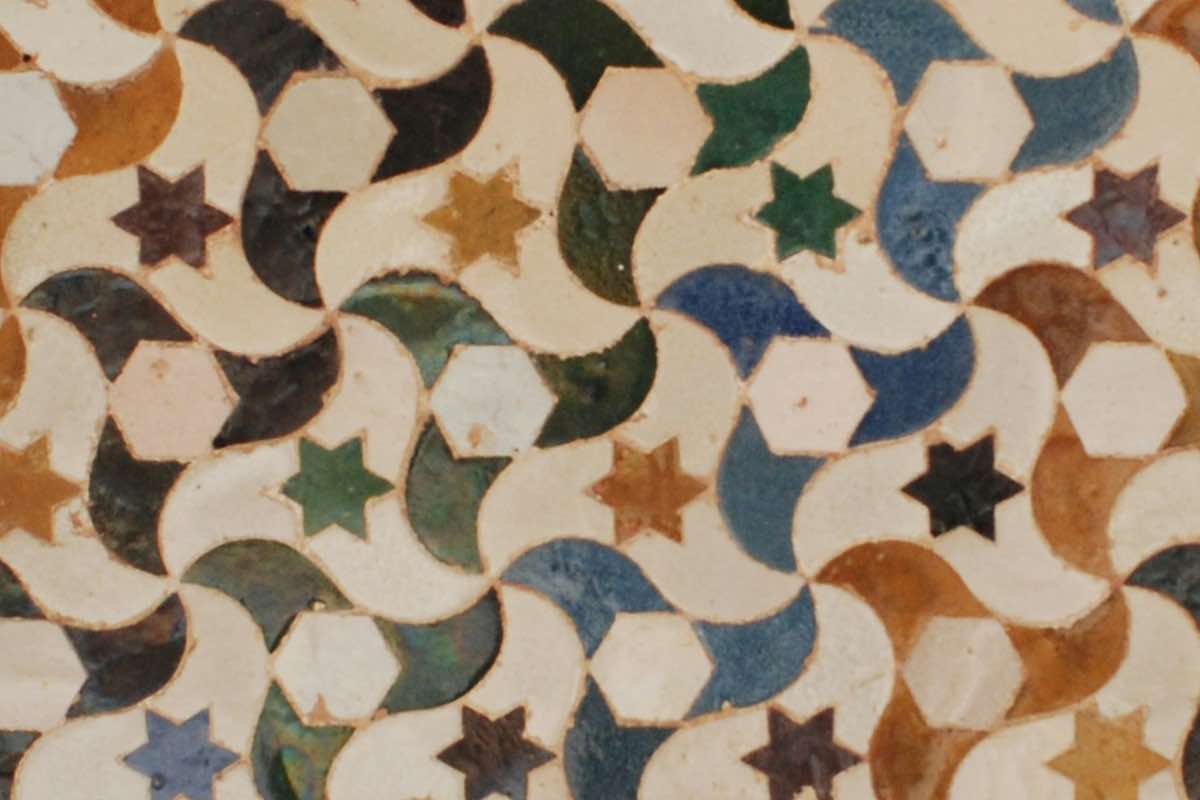
Part of Málaga’s attraction for both tourists and residents is the unique aesthetic of its historic town centre, where marble streets and arches offer an ancient and elegant feel to the city. This style is called “Arte Mudejar” and characterises much of the architectural design in the South of Spain. The style combined techniques from Muslim tradition with modern European trends. Such means it remembers the stories of occupation and multicultural influence that define Málaga still today.
Where did it originate?
The style flourished primarily between the 12th and 16th century. These marked the final years and end of the Reconquista, which occurred between 718 to 1492, when Granada was seized from the Muslims and the entire territory became Catholic again. Then ensued the Spanish Inquisition, where people were forced to either convert to Catholicism or leave the country. Some Muslims feigned conversion and secretly continued to practice their Islamic traditions, resisting this cultural homogoneity in small ways.
For example, the Muslims craftsmen who continued to work under the newly established Catholic order incorporated multiple cultural aesthetics into their designs. They married historical Muslim styles with contemporary Gothic and Renaissance European trends and so creating a new manner of artistic expression in architecture. The buildings were neither Muslim or Catholic, rather they were a symbol of coexistence between the multiple cultures that lived there, regardless of what the dominating regime enforced. In fact, the word “Mudéjar” comes from the Arabic word “mudajjan”, meaning “permitted to remain”; literally referring to the people allowed to remain, but also the Arabic culture that was allowed to creep into society in its subtlety.
How can I recognise Arte Mudejar?
This unique fusion of styles is identifiable by a manner of noticeable elements, including…
Arabic Style
- Dark red brickwork organised in unique patterns
- Horseshoe Arches, which resemble keyholes as they narrow towards the bottom
- Glazed ceramic tiles, often coloured brightly
- Woodwork placed to create a star-like design
- Geometric patterns
Catholic Style, was often the structural focus
- Gothic arches, which point at the top
- Cross-shaped Christian floor plans
- Bell towers
- Floral patterns
Mudéjar Architecture in Málaga: Iglesia San Juan Bautista
The Church of San Juan Baustista is represents so much history in its “Mudejar” blend of Catholic, Gothic and Muslim design.
Its construction was finished in 1543, and it possesses many of the elements listed above. The outside wall is painted in geometric shapes of different colours, that associate an Arabic style, along with the marble arches and floor which characterise later Christian influence.
The inside was renovated again, much later so in the 20th century so displays a strongly catholic aesthetic. There is a high alter that pictures Jesus on cross, surrounded by golden pillars.
This church is where the opening of the Easter Semana Santa festival happens. The bell is wrung, and the processions of statues commence.
Cultural Significance of the Mudejar Style
The unique nature of Mudejar architecture is essential in creating the character of the Andalusian region, but also in remembering the history of people past. It symbolises the various cultures that have inhabited land over time. Where one culture may try to dominate and forget its past, minorities will find small ways to be represented, and it is important they be remembered. Andalucia’s buildings are thus beautiful pieces of art and representations of a multiculturalism that still exist in Andalucia today.