
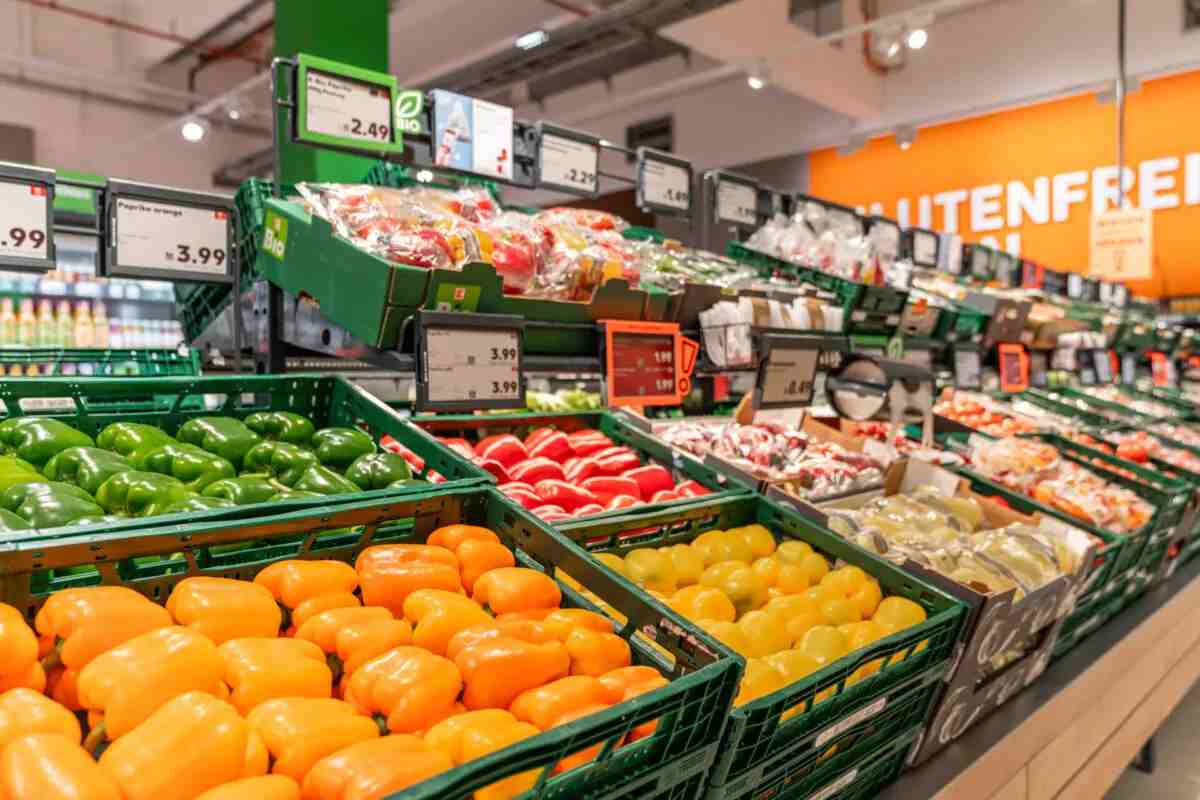
The Spanish government just introduced a new law to reduce food waste. Only a year ago, the law was published and has now come into force. It applies to the entire supply chain, from the producers to the supermarkets.
Food waste in Spain
European countries produce a great amount of food waste. In Spain alone, 1.2 Million tonnes of food ended up in the bin every year. Yet much of the food that is thrown away is not even spoiled. After the use-by date has passed, supermarkets can not sell these products anymore. In consequence, they throw a large amount of food in the trash. Even though it is still eatable.Therefore, “dumpster diving” became more popular over time. After the supermarkets’ closing hours, people wait at their trash dumpsters to collect the thrown-away food.
The newly introduced law is now forcing companies to look after their food waste. They have to create plans against food loss and wastage by identifying the points that lead to more waste. The only exceptions to this comprehensive law are micro-enterprises and supermarkets smaller than 1,300 square meters.
Food for charity and animal feed
To improve the sales of food in the supermarkets, the law recommends that unappealing food as well as food nearing its use-by date be more promoted or reduced in price. Ideally, seasonal, regional and organic products should be promoted just as much. If supermarkets are not able to sell the food anymore, they have to donate still edible food for human use. They can give, for example, it to food banks or other charities.
However, not every food applies for human use. In that case, the food needs to be proven for use as animal feed. If this is also not possible, the next opportunities for further use are the production of biofuel or for composting.
Restaurants are also affected
The law against food wastage does not stop at the sale. Gastronomy as well as the hospitality industry needs to adapt, too. From now on, they must provide free and reusable containers so that guests can take their food away. If they offer ones made out of plastic, the establishments need to charge money for these. To be fair, most of the restaurants already do this. But with this law introduced, they now get penalties if they act against it.
Checks to ensure compliance with the provisions of the law are to be carried out annually.
Food waste in private households
A huge point of criticism is that the law does not affect private households. These also produce a great amount of food wastage that can not be followed back to single persons. Therefore, initiatives should be formed to educate the consumers about a sustainable approach to food.
An improvement in the way you go grocery shopping can be a first step towards less food waste. People could, for example, make a weekly cooking plan to know what to buy or check their former groceries to see what was too much. Recycling food and throwing it into the organic waste bin instead of the bins for remaining trash is a good start. Even sharing your food with flatmates, neighbors, or, if possible, charity is a great way to be a part of reducing food wastage.