
Málaga’s streets are never as busy as during the holy week of Semana Santa every spring. In the days bevor Easter, thousands of tourists are flooding into the center. Besides the locals, crowds of visitors from anywhere around the globe block the allies and streets of the city’s center just to try to catch a glimpse of the magnificent processions. But not only during easter this is a concern, mass tourism in Málaga is a universal problem throughout the whole year, leading to massive housing shortages – especially in the Centro Histórico.
Unacceptable living conditions for residents
A study conducted by Málaga’s City Hall clarifies the extent of mass tourism in the city. An article by “Costa News” quotes the following results of the study: “In an increasing number of areas, the burden is no longer tolerable”, as well as the flood of tourists “reducing both the residents’ quality of life and the quality of the guests’ stay”.
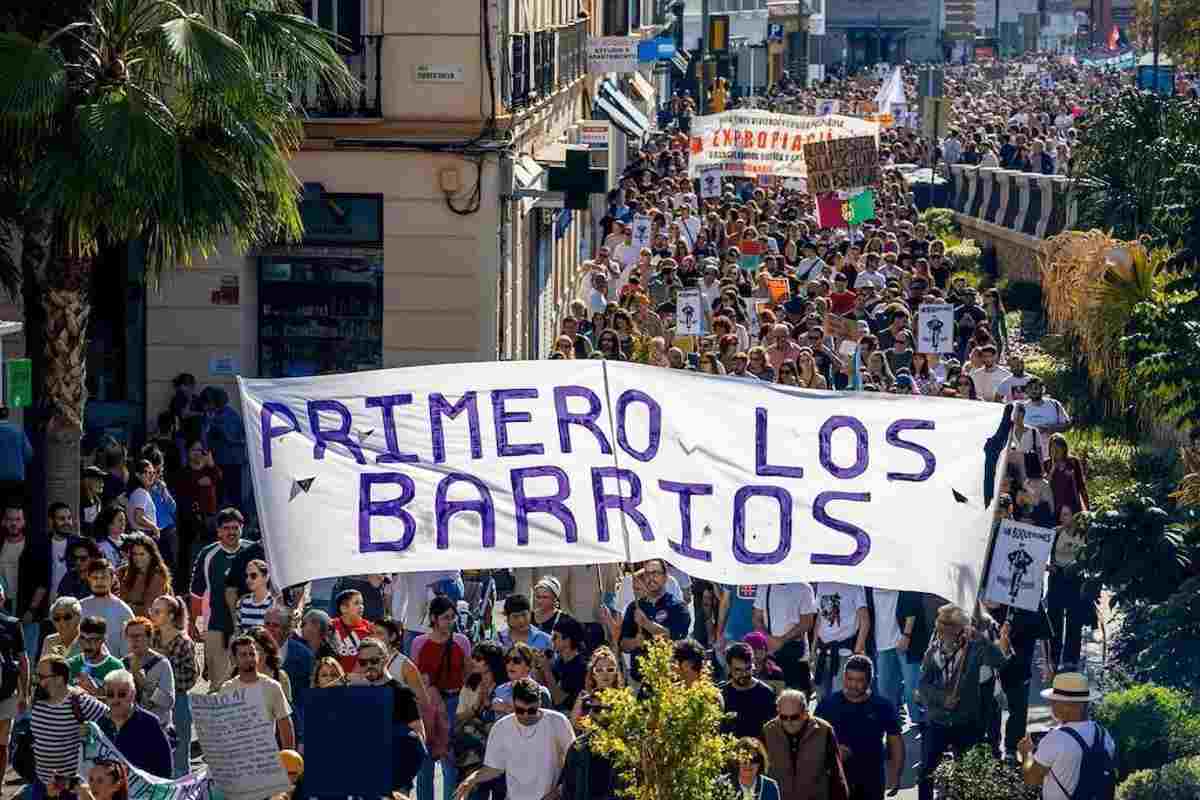
Tenants’ unions organized massive demonstrations to draw attention to these issues. Among other things, they call for more long-term lease agreements, affordable rents for residents and a regulation of the housing market. Especially vacation rentals require more inspections, as a variety of them are illegal.
But Málaga’s reality paints a different picture. Rental prices increase to an average of 1200 Euros, while the supply of housing declines. Vacation rentals dominate the city center within a 2-kilometer radius of the cathedral and hardly any “normal” apartments are available there. Especially Airbnbs often settle in well located neighborhoods and near sights. Therefore, locals get pushed out of the nicer parts of the city.
Xenophobic protestors
Nevertheless, Málaga’s mayor, Francisco de la Torre Prados, is not working against mass tourism. The tourism industry in Andalusia generates a lot of money, which led to economic growth over the last two decades. This is probably the reason why Torre Prados and the head of the provincial administration have a negative attitude towards the protestors and even once claimed them “tourismophobic”.
Over years, a variety of licenses were easily granted to franchises and souvenir shops that suppressed local gastronomy and shops. These traditional establishments had to move further away from the rapidly increasing prices in Málaga’s center. This loss of identity influences the charm of the cityscape negatively. Even though tourism in general provides a lot of advantages for cities, the extent of it has to be regulated.
Lack of mindfulness and respect
But not only the shortage of housing is a problem caused by tourism. The behavior of tourists during their stay might get on the nerves of the locals, too. As Spain is one of the most popular destinations for holidays, millions of tourists arrive in Spanish cities yearly. And some of these tourists do not show the necessary respect to the country they are visiting. You will always find people leaving their trash at crowded beaches, blocking streets and partying loudly until the middle of the night.
Tourism is here to stay – especially as long as it is providing money. But in order to relieve the locals, politicians should act up to regulating the housing market and rent prices. Firsthand, Málaga should be welcoming to their own people instead of prioritizing the well-being of tourists.