
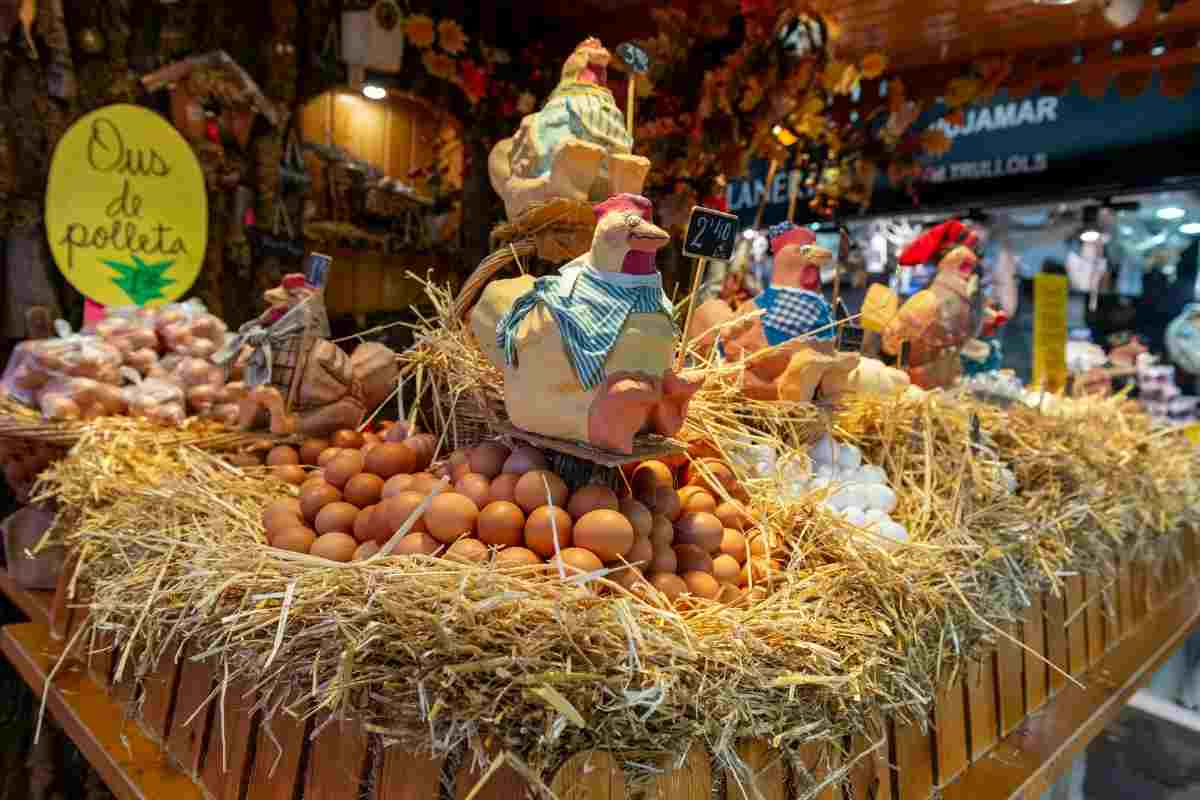
When it comes to Spanish Easter traditions, we’ve all heard about the processions of the Semana Santa, but how else do Spaniards celebrate? Of course with food! Here are five traditions, that you should definitely have heard about when living in Spain.
Easter Lunch
As is the case with most holidays, culinary traditions are hugely important in marking festivities, indulgence and spending time with family. Easter Sunday sees families gathering in large numbers to enjoy a traditional meal. In most of Spain cod is a staple ingredient, enjoyed fried, in croquettas or typically in a soup called Potaje de Viglia, made also with chickpeas and spinach.
The meal keeps in line with the Catholic challenge to abstain from meat on a Friday. It is considered a humble dish of restraint and resilience and reflects the tradition of lent that precedes Easter Sunday.
Throughout lent many Spaniards attempt to give up certain indulgences, for example, not eating meat or cutting chocolate out of their diet. They give up luxuries to honour the humble teachings of Christianity and recognise how Jesus suffered for God and humanity. He went forty days and forty nights without food and water in the desert, resisting temptations for the devil, and to purify himself before baptism.
Alternatively, in the Salamanca region a Hornazo is enjoyed. This is a meaty pie, filled with pork chorizo and eggs. It is commonly eaten on Easter Monday, when meat may be once again enjoyed by those who gave it up.
Spain’s Easter Sunday, thus, is much like that of other Catholic countries. Culinary traditions centre a moment when all are expected to slow down, take a day off and simply be with family.
Sweet Treats
For those who participate in Lent’s restrictions an assortment of Easter sweet treats are a welcome reward. Spain is home to a delicious many, originating from different regions and enjoyed by all.
Torrijas
Torrijas are a sort of Spanish French bread. Originally used to repurpose bread that was going stale, they are soaked in milk, egg and fried in olive oil. They are then and coated in cinnamon, sugar/ honey.
The treat originates in the Andalusian region and is dated back to the 17th century. Romans would dip a type of wheat biscuit into the same ingredients of milk, cinnamon and sugar.
Bueñelos
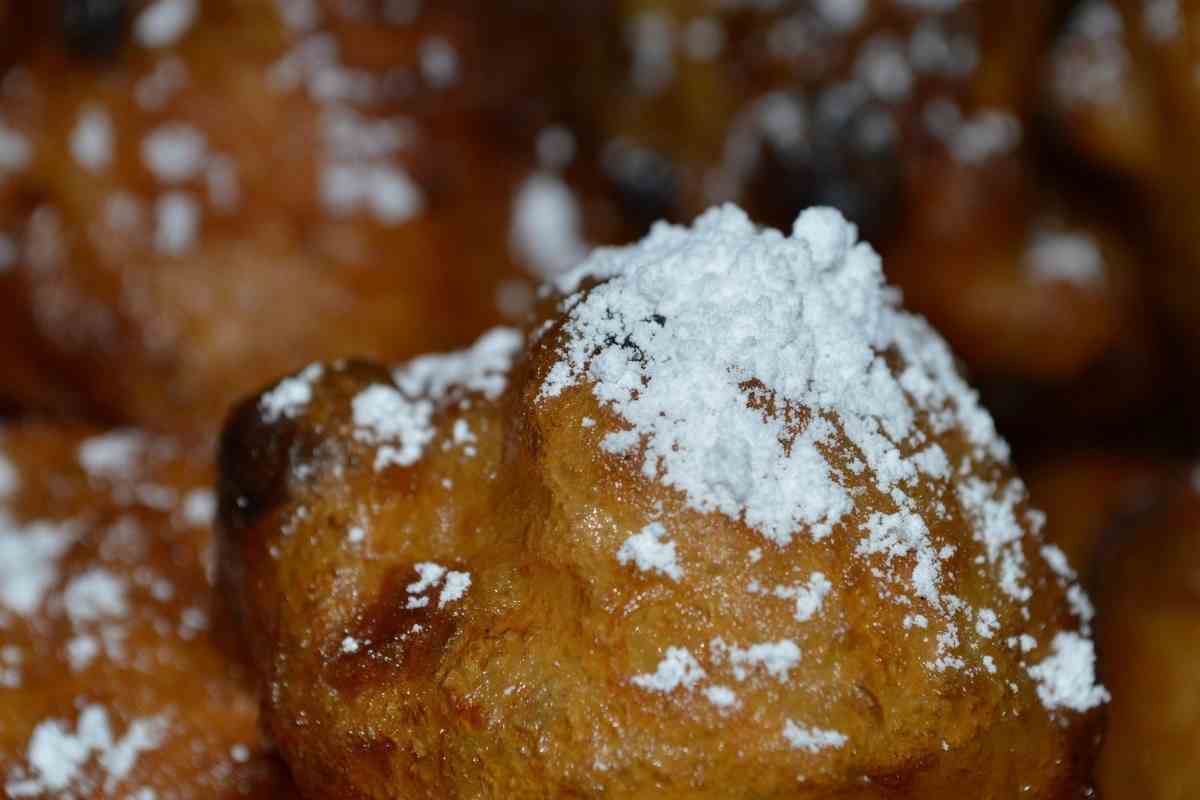
Bueñelos are believed to have been strongly influenced by the Arabic cuisine of the Middle Ages and are now a staple for Easter. They consist of a deep fried doughball covered in sugar.
They have also been adopted into new traditions by different regions; namely Valencia. They are renowned for their Calabaza (Pumkin) Buñuelos, while other regions fill them with cream or chocolate.
Similarly, they are hugely popular in Latin America, filled with cheese in Colombia. Colombian cuisine often mixes cheese with sweet flavours. They are also known for their hot chocolate and cheese, or fruit and cheese combination.
Monas de Pascua
This is a type of easter cake, again enjoyed most typically in the Valencia, Catalunya region. It is a circle shape and has a boiled egg, still in its shell, placed right in the centre. It is a brioche type mixture sometimes sprinkled with sugar or candied fruit. Though it is not traditional, people often cover it in an assortment of decorative easter toppings, including chicks, chocolate or easter eggs.
All these delicious delicacies are perfectly paired with a coffee and can be found in most of Malaga’s local patisseries. For example, La Canasta is a chain, sprinkled across the whole Andalusian region, where traditional desserts are cheap and enjoyed frequently by locals and tourists.