
Discover the origins of the Almonds of Málaga, the local recipes, and find out where to buy the best Turrón of the city!
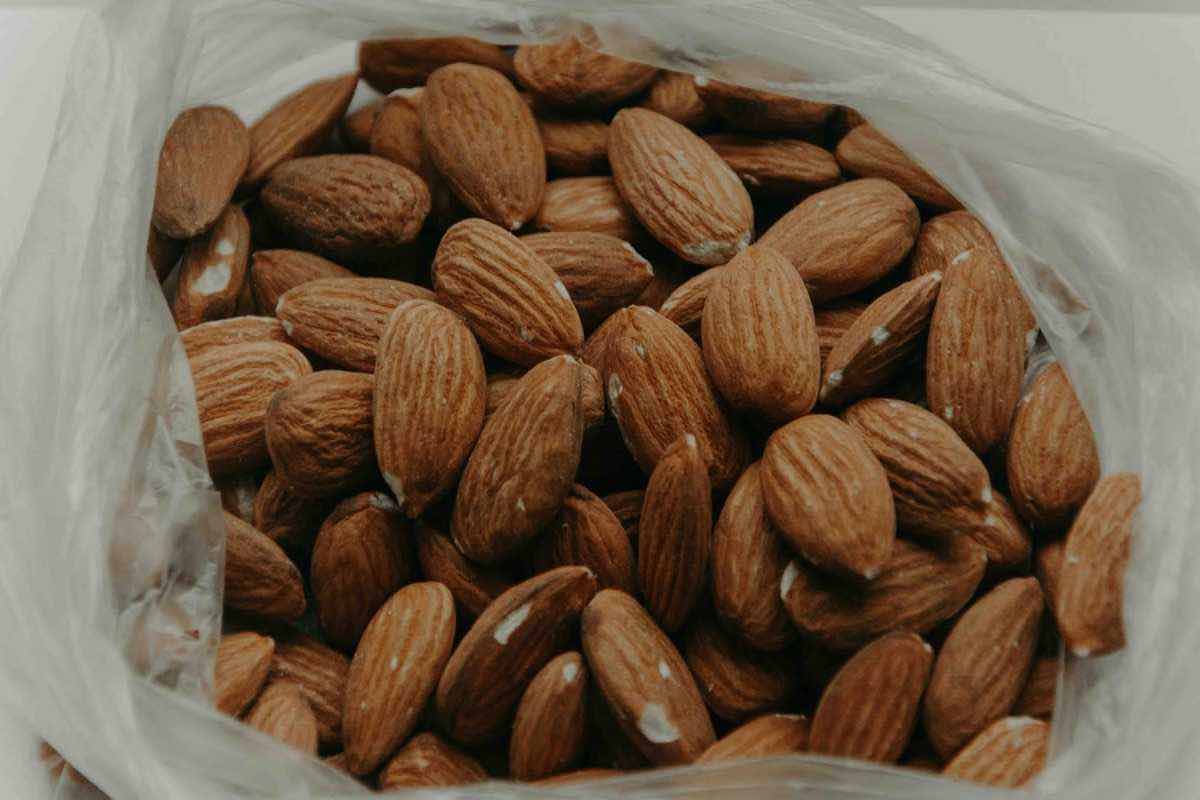
You’ve been in Málaga for a few days now, and everywhere you look, you see almond stands at every corner of the historical centre, and Turrón shops that offer you free samples left and right. Are almonds really that common here? You’re probably asking yourself. You’ll be surprised by how much, but most importantly, by the relevance they carry.
To be completely honest, almonds are not native to Málaga, or to Europe in general, because they actually come from central Asia. Phoenicians were the ones to bring them here, in Malaka, one of their biggest colonies, in the VII century B.C., but the Arabs were the ones to make them great. They perfected the the cultivation process, and the specific variety of almond, the “Marcona”, rounder and sweeter. Nowadays, American almonds are the most widespread, because of the usually low prices, but the Marcona ones are recognised in the whole world for the higher quality and the richness in oils!
The real economic boom, though, arrived between the 19th and 20th centuries, paradoxically during a period of great crisis: a terrible plague destroyed most of the vineyards in the Málaga countryside, and many farmers decided then and there to switch to almond agriculture, apparently completely immune to the disease. The result was a success: the port area of Málaga became the largest export point of Spain for almonds, directed mostly to Northern Europe and United States of America.
Today, the Andalusia region is the most important producer in all of Spain. The province of Málaga, in particular the Guadalhorce Valley, is renowned for its prestige as well as for its beauty, attracting every year thousands of tourists eager to see the blooming trees.
From the land to the table: almonds in every way
Well, now we know how and why almonds here got so popular, but what is made with them? Short answer: a little bit of everything. You already saw all the small vendors: what they actually sell is Almendras Garrapiãdas, which means literally caramelised almonds! You recognise the smell everywhere, mixed with the brackish breeze of the sea. They’re sweet and salty at the same time, just like Málaga, and they can become a crunchy companion for your long strolls in the centre. Careful though, they can totally cause addiction! They’re very common in all of Spain, but you know the drill, the flavour here is another story.
While walking, you also saw some people outside sweet shops asking you the same question: “Hola, ¿quieres probar?”, “Hi, do you want to try?”. What they’re offering you is the typical Turrón, a sweet bar made of almond paste, from the most basic ones to the more extravagant: you can find classic flavours like chocolate, coffee, Baileys, but also coconut, mango, passion fruit!
The very first original version, an ancient ancestor, was the Halva, created by the Arabs in the XI century, but it was the nuns of Antequera and Cártama that perfected the recipe. Just so you know, all the bites they offer you are free, so don’t miss out!
It doesn’t end here, though, because Arabs invented another great historical dish: Ajoblanco. Despite the name, which translates to “white garlic”, this was actually an almond-based soup, mixing the dried fruit with water, olive oil, garlic, and usually stale bread. Simply put, a poor meal for farmers that was meant to feed them, hydrate them, and give them energy, but that is now a delicacy of the Andalusian tradition.
Well, now, every time you smell that rich, toasty aroma, you know exactly where it comes from, and its incredible history too!
P.S.: Do you want to find the best Turrón in Málaga? I have three places for you.
-
Mercado Central de Atarazanas: if you want the most typical and authentic one, from Antequera, here you’ll find what you’re looking for.
-
Sabor a España: if the market is too chaotic for you, don’t miss this family business that has become a local institution. While the turrón is from Córdoba Province, it still follows the finest Andalusian traditions.
-
Casa Mira: last but not least, this chain is a true point of reference, this time hailing from Jijona, another turrón homeland.